Advanced Leak Detection and Pipe Repair for Businesses
The longer they go unnoticed, the more costly the outcome.
Leaks don’t always arrive with dramatic flair. In a commercial setting, they’re more likely to lurk behind walls, under concrete, or inside ceilings—silently wasting water, driving up utility bills, and quietly damaging your infrastructure. The longer they go unnoticed, the more costly the outcome. That’s why businesses need more than a wrench and a hunch. They need advanced leak detection paired with expert pipe repair solutions that minimize downtime and protect their bottom line.
From pinpointing hidden slab leaks to replacing failing pipes and regulating water pressure, modern commercial plumbing services offer proactive, precision-driven strategies that keep your business ahead of the problem.
The Quiet Threat of Undetected Leaks
In a commercial building, small leaks rarely stay small. Even a pinhole leak in a pressurized pipe can waste thousands of gallons over time—not to mention the damage it causes to drywall, flooring, insulation, and electrical systems. But unlike residential homes, commercial buildings don’t always show clear signs. When your square footage spans thousands of feet and includes multiple tenants, by the time a stain appears or a puddle forms, the damage is already extensive.
That’s why commercial plumbers rely on sophisticated leak detection tools, including:
Acoustic listening devices to pick up the sound of escaping water
Thermal imaging cameras to detect temperature anomalies in walls and floors
Moisture meters for non-invasive material readings
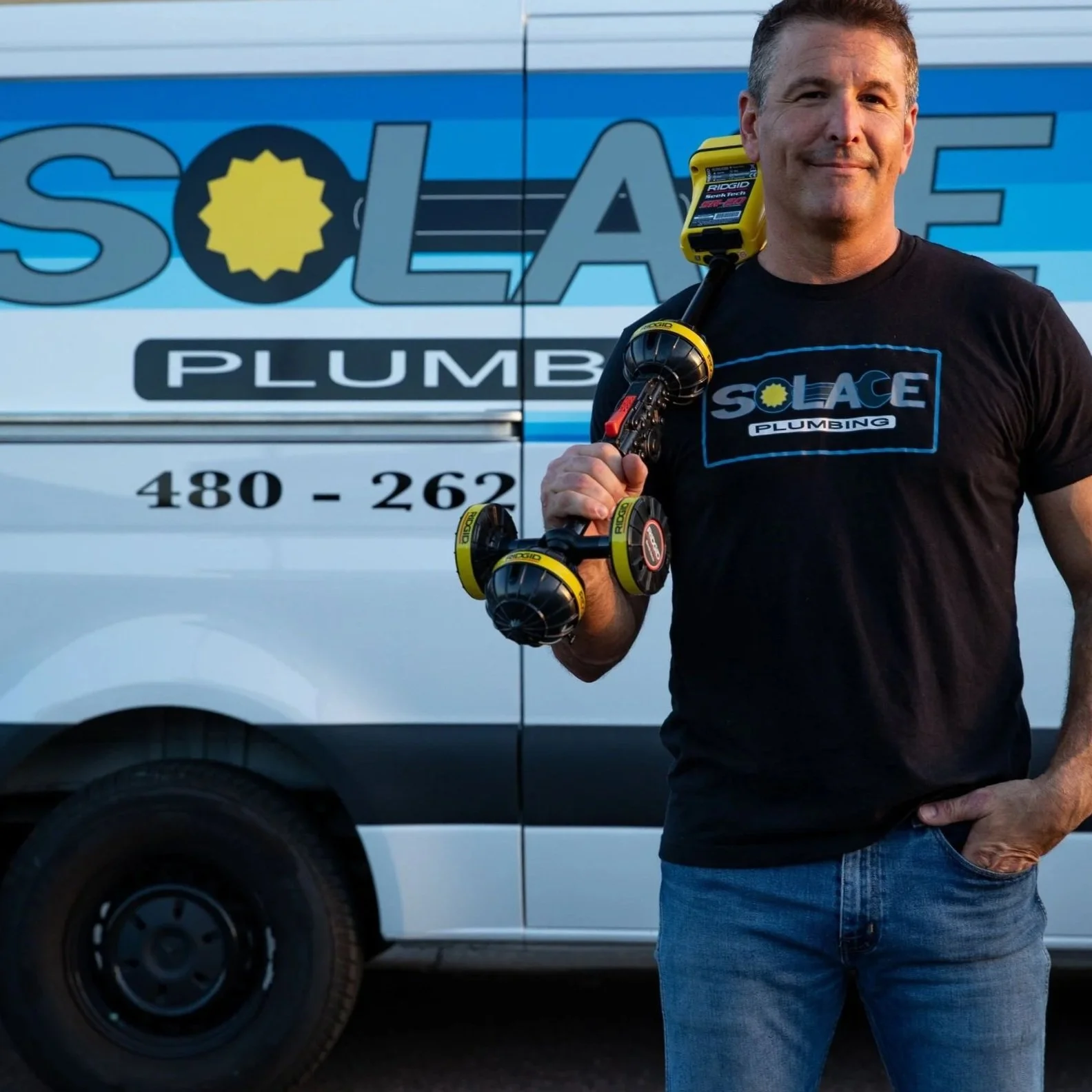
Line tracing tools to locate underground or slab-embedded pipes
Pressure tests to isolate and confirm pipe weaknesses
These tools allow for accurate diagnosis with minimal disruption—so you don’t have to shut down half your building or dig up a conference room to find the source.
Smart Solutions for Commercial Pipe Repair
Once the leak is found, the next step is a repair strategy that makes sense for your business. In some cases, a quick spot fix may be enough. In others, aging pipe materials or widespread corrosion call for partial or full pipe replacement. Experienced commercial plumbers assess the full situation—not just the drip.
Pipe repair and replacement services include:
Epoxy pipe lining (CIPP) for trenchless repair in occupied buildings
Sectional pipe replacement for targeted damage
Re-piping of older galvanized, polybutylene, or corroded copper lines
High-temperature and high-pressure pipe upgrades for mechanical systems
Flexible PEX installation for streamlined retrofits
Code-compliant shut-off valve and union installations for future maintenance
The focus is on minimal downtime, clean work zones, and long-term durability. Business owners can’t afford a revolving door of plumbing problems—and with professional repair services, they won’t need to.
Pressure Problems and What They Mean
Water pressure in a commercial setting is a delicate balance. Too little, and you get complaints about trickling sinks or failed flushing. Too much, and you risk pipe blowouts, valve damage, and shortened equipment life. A leak might be a symptom of a deeper issue: irregular or excessive pressure across your system.
Advanced plumbing diagnostics measure:
Static and dynamic water pressure
Pressure fluctuations during peak usage
Booster pump functionality and calibration
PRV (pressure-reducing valve) settings and condition
Expansion tank balance for hot water systems
If excessive pressure is found, plumbers install or replace regulators, reposition pressure zones, and correct slope or pipe size inconsistencies that contribute to system stress. Fixing a leak without fixing the pressure behind it is like replacing one tire on a car that’s out of alignment—it’ll come back to bite you.
When Replacement Becomes the Smartest Option
Some pipes just aren’t worth saving. If your building still runs on galvanized steel, polybutylene, or brittle cast iron, recurring leaks are often a sign that the entire system is due for replacement. Re-piping may sound dramatic, but in the hands of experienced commercial professionals, it can be done with surprising efficiency—even without shutting down the whole building.
Common re-piping upgrades include:
Switching from metal to PEX or copper for durability and corrosion resistance
Adding shut-off zones for floor-by-floor isolation
Rerouting overhead lines to avoid slab penetration
Coordinating work around business hours to avoid peak disruption
Protecting new pipes with insulation, hangers, and sleeves for longevity
Pipe replacement isn’t about tearing everything out. It’s about building a smarter system that serves the current and future needs of the business—without constant maintenance calls.
Fixture Leaks and Hidden Drain Issues
Not all commercial leaks originate in pressurized supply lines. Fixtures themselves can leak internally, leading to hidden water loss that doesn’t leave puddles but quietly increases your water bill. A constantly refilling toilet, a dripping urinal valve, or a malfunctioning sensor faucet can waste hundreds of gallons daily.
Reliable plumbing pros inspect:
Flush valve timing and seal integrity
Faucet aerators and flow restrictors
Trap seals and venting that might be causing drain gurgling
Sink mount gaskets and tailpiece joints
Floor and wall-mounted fixture anchors that could compromise watertightness
In high-use restrooms and kitchens, fixture inspections are often paired with water-use audits to identify inefficiencies and recommend replacements that conserve water and reduce maintenance costs.
Integrating Leak Prevention into Regular Maintenance
Smart business owners don’t wait for leaks to show up on the water bill—or worse, in the ceiling tiles. Regular plumbing maintenance is the simplest way to catch developing leaks, pressure issues, or fixture failures before they cause major disruptions.
A typical commercial leak prevention plan might include:
Quarterly or semi-annual pressure readings and regulator adjustments
Drain inspections with video cameras
Sensor faucet and flush valve calibration
Boiler room and mechanical equipment leak checks
Isolation valve testing and tagging
Annual leak audits using flow monitoring tools
Plumbers can also install smart leak detection systems with wireless sensors that send alerts the moment water is detected in off-limit areas—like under a mop sink, behind a wall, or inside a storage closet.
The Role of Tenant Communication in Leak Management
In multi-tenant buildings, especially office suites or retail spaces, water leaks often go unreported until they become serious. An unnoticed drip in a janitor’s closet or an unclaimed puddle in a utility hallway could signal a deeper issue that’s been active for weeks.
Reliable plumbing service providers help building managers:
Create leak reporting protocols for tenants
Provide maintenance teams with a checklist for visual inspection
Offer simple flow comparison reports to spot unusual usage spikes
Label and document shut-off valves so emergencies can be contained quickly
Schedule regular walkthroughs to assess at-risk areas
A proactive approach turns every tenant into a watchful partner—and helps property owners catch problems before they become PR nightmares.
Emergency Services That Don’t Skip a Beat
When a pipe bursts or a toilet line fails at six a.m. on a weekday, there’s no time for voicemails or open-ended ETA promises. Commercial plumbing emergencies need a team that’s ready, equipped, and able to resolve the issue quickly—before the damage spreads to walls, floors, tenants, or inventory.
Emergency leak response includes:
Rapid water shut-off and containment
Temporary water rerouting or system isolation
Pipe patching, coupling, or rerouting as needed
Dehumidification and restoration coordination
Documentation and photo reports for insurance claims
Communication with building engineers or facilities teams
With a plumbing partner who understands the urgency of commercial infrastructure, every minute counts—and is handled accordingly.
Trust the Experts Who See Beyond the Drip
Leak detection and pipe repair in a commercial setting are not one-size-fits-all jobs. It requires technical skill, diagnostic tools, regulatory knowledge, and a big-picture view of how your business functions. A dripping fixture or a cracked pipe is never just a nuisance—it’s a symptom of something deeper. The right plumbing team doesn’t just patch problems. They solve them.
With advanced diagnostics, efficient repair strategies, and a commitment to long-term performance, commercial plumbers help businesses stay dry, safe, and operational—no matter how much water is trying to say otherwise. And with routine inspections and smart upgrades, you might never have to deal with a surprise leak again. Now wouldn’t that be a beautiful thing?
Solace Plumbing has years of experience offering comprehensive plumbing solutions to Gilbert, AZ, homeowners. We specialize in gas line install and repair, sump pump installation and repair, leak detection and repair, sink installation and repair, and toilet installation and repair. Our licensed and detail-oriented plumbers can resolve any plumbing issues, from simple to complex. 24/7 emergency plumbing services and flexible virtual consultations available. Call today!
