Efficient Toilet Installations for Modern Bathrooms
A poorly installed toilet turns a peaceful retreat into a plumbing nightmare faster than you can say “low flush.”
The modern bathroom is more than just a utilitarian space—it’s a sanctuary, a pit stop, and, in many homes, a design statement. But none of that matters if the toilet doesn’t work. A poorly installed toilet turns a peaceful retreat into a plumbing nightmare faster than you can say “low flush.” That’s why efficient toilet installation is about more than connecting a few bolts and hoping for the best. It’s about getting every detail right, from the base to the tank, for long-lasting function and frustration-free use.
Selecting the Right Toilet for the Job
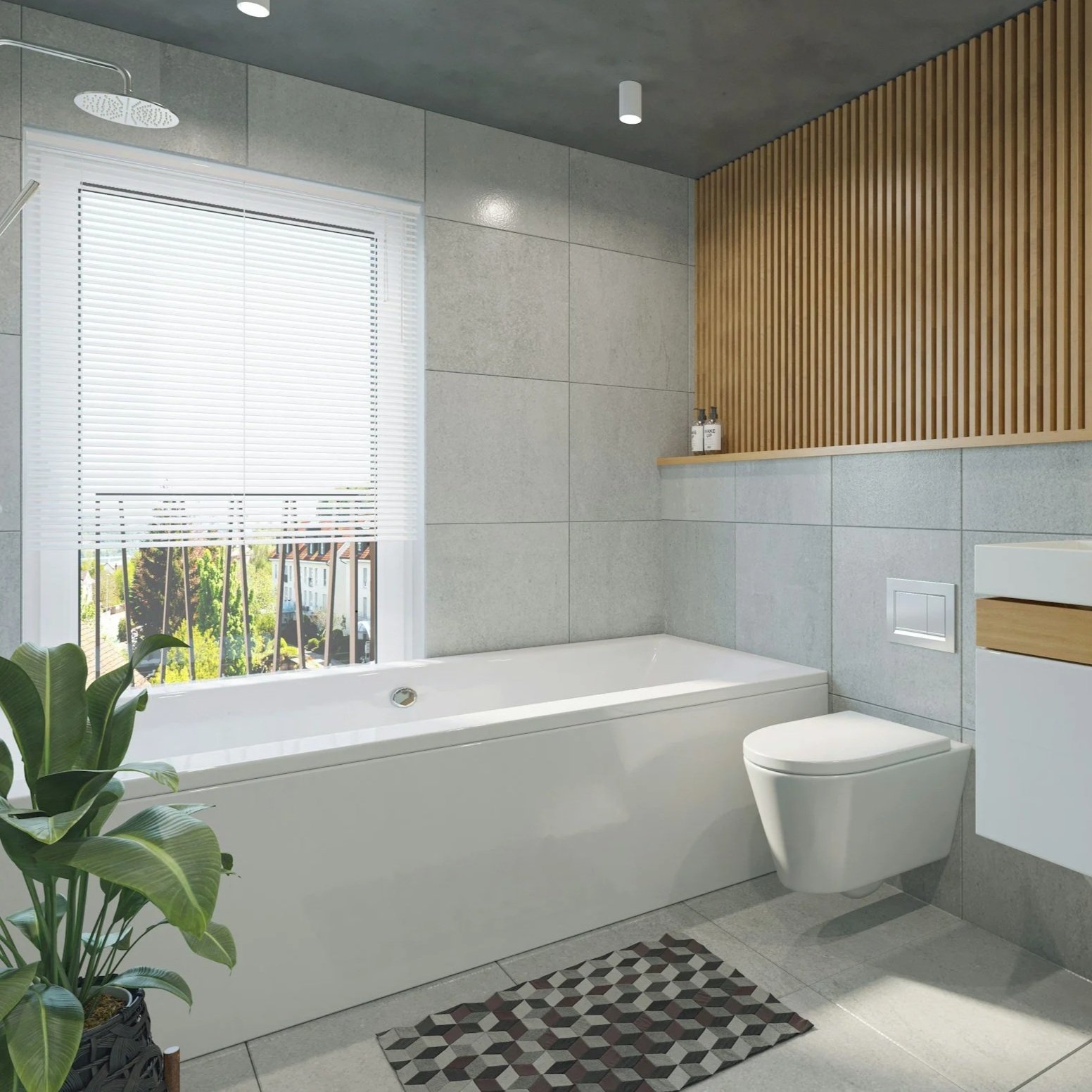
Toilets come in all shapes and sizes. Some are compact for small powder rooms, others are elongated for comfort. Some hug the wall with a sleek profile, while others feature smart features such as bidets, heated seats, and automatic flushing. Choosing the right one isn’t just about style—it’s about plumbing compatibility, space constraints, and water efficiency.
Professional installers help homeowners navigate the maze of one-piece versus two-piece models, gravity-fed versus pressure-assisted systems, and standard versus comfort height. They evaluate the bathroom layout, measure the rough-in (the distance from the wall to the toilet’s anchor bolts), and make recommendations that suit the home’s needs, not just its Pinterest board.
Preparing the Space Like a Pro
Before a new toilet takes its rightful throne, the old one has to go—and not just casually. Removing an old toilet involves turning off the water, draining the tank and bowl, disconnecting the supply line, and unscrewing rusted or corroded bolts without damaging the floor. Then comes the wax ring, which is rarely a clean break. Professionals remove the old ring, clean the flange, and inspect the flooring and surrounding area for signs of water damage.
A solid, level surface is essential. Installing a toilet on uneven tile or warped subflooring sets the stage for rocking, leaks, or worse. Professionals level the floor or shim the base where necessary to prevent any post-installation surprises.
Wax Rings, Flanges, and Proper Seals
The wax ring might not be glamorous, but it’s arguably the most important part of the entire installation. It creates a seal between the toilet and the drainpipe. If that seal isn’t perfect, odors, leaks, and even sewer gases can seep into the bathroom. Professional installers place the wax ring with precision, carefully align the toilet bowl, and press it down evenly to create a tight, durable seal. They also check the flange to make sure it’s flush with the floor and properly anchored. If it’s damaged, they replace it or use a flange extender for a clean, secure connection.
For more advanced installations, such as those with wall-mounted toilets or modern flush systems, professionals follow manufacturer guidelines and local plumbing codes to guarantee a safe and reliable seal.
Securing the Toilet Without Over-Tightening
There’s a fine line between tightening a toilet securely and cracking the porcelain. Professional installers use calibrated tools and a practiced hand to apply just the right amount of torque to the bolts. They avoid the dreaded overtightening that can stress the ceramic and lead to hairline fractures. Bolts are capped, aligned, and hidden cleanly for a tidy appearance, with no shifting or wobbling once the job is done.
Water Supply Connections and Leak Testing
Hooking up the water supply might look simple, but a loose connection can drip quietly for days before it’s discovered. Professionals replace aging supply lines, apply thread sealant where needed, and tighten fittings to manufacturer specifications. Once connected, they turn the water back on slowly to check for leaks around the base, the tank bolts, and the supply valve. They test the flush and fill cycles to make sure the toilet operates correctly, with no lingering sounds, hissing valves, or awkward tilting.
Installing Modern Toilets with Special Features
Today’s toilets do more than just flush. Some models include built-in bidets, warm water sprayers, air dryers, night lights, and even remote controls. These features require electrical access, additional water lines, and careful integration to prevent backflow or circuit overload. Professional installers understand how to coordinate these utilities without crowding the space or breaking code. They test every function and explain the controls so the homeowner doesn’t feel like they need a manual every time nature calls.
Smart toilets also bring design considerations. Some need more clearance for their base or lid, while others have rear outlets instead of traditional floor-mounted plumbing. Professionals plan around these needs and provide smooth transitions between the old fixture and the upgraded one.
Accommodating Tight Spaces and Unusual Layouts
Not every bathroom is a textbook installation. Small powder rooms, angled walls, vintage tilework, and off-center drain placements add challenges. Professional installers work within these constraints to position the toilet so it looks balanced, fits the room, and functions as intended. When retrofitting older homes, they may use offset flanges or specialty tools to adapt to unconventional layouts without sacrificing comfort or performance.
Upgrading for Water Efficiency
Many modern toilets are designed to conserve water without sacrificing flushing power. Dual-flush systems, low-flow models, and pressure-assisted units save thousands of gallons annually. But those savings only come when the toilet is installed correctly and functions as intended. Professionals calibrate water levels inside the tank, adjust flapper chains, and test the flush valve to prevent partial flushes, double flushes, or phantom flushes that waste water.
When replacing older toilets, technicians also handle safe disposal and check local rebate programs for water-efficient upgrades. A little paperwork and a proper install can lead to long-term savings and environmental benefits.
Maintaining a Clean, Professional Job Site
Toilet installation isn’t glamorous, but it should always be clean. Professionals lay down drop cloths, remove debris, and protect flooring during the job. Afterward, they wipe down the fixture, clean the surrounding area, and confirm that everything is functioning properly before leaving. No sawdust in the sink, no tools left behind, and definitely no leaks or rocking when you sit down.
Solving Problems Before They Happen
One of the biggest advantages of hiring a professional? Prevention. Pros spot early signs of trouble that an untrained eye might miss—like corroded shutoff valves, brittle gaskets, or subtle floor damage around the base of the old toilet. By catching these issues during installation, they prevent future repairs and protect the investment in the new fixture.
Professionals also follow local plumbing codes and manufacturer guidelines. They pull permits when required, provide documentation for warranty support, and install toilets so they won’t cause headaches down the line. No unexpected callbacks, no insurance issues, and no need to wonder if the wax ring is secretly plotting your downfall.
A Smooth Install Means Long-Term Comfort
When a toilet is installed correctly, you stop thinking about it—and that’s exactly the point. It flushes efficiently, refills quietly, sits level, and doesn’t wobble, no matter how many people use it. Seamless installation leads to confidence. You won’t find puddles under the tank. You won’t hear gurgles in the middle of the night. And you definitely won’t be explaining odd noises to houseguests.
Professionals deliver that peace of mind by handling every step with accuracy and care. From selection to final flush, they keep the project moving without delays or surprises. Whether it’s a simple upgrade or part of a full bathroom remodel, efficient toilet installation is the unsung hero of a modern, functional home.
Because when it’s done right, you never have to think about it again—and that’s the true mark of success.
Solace Plumbing has years of experience offering comprehensive plumbing solutions to Gilbert, AZ, homeowners. We specialize in gas line install and repair, sump pump installation and repair, leak detection and repair, sink installation and repair, and toilet installation and repair. Our licensed and detail-oriented plumbers can resolve any plumbing issues, from simple to complex. 24/7 emergency plumbing services and flexible virtual consultations available. Call today!
