Maintaining Healthy Plumbing with Expert Drain Services
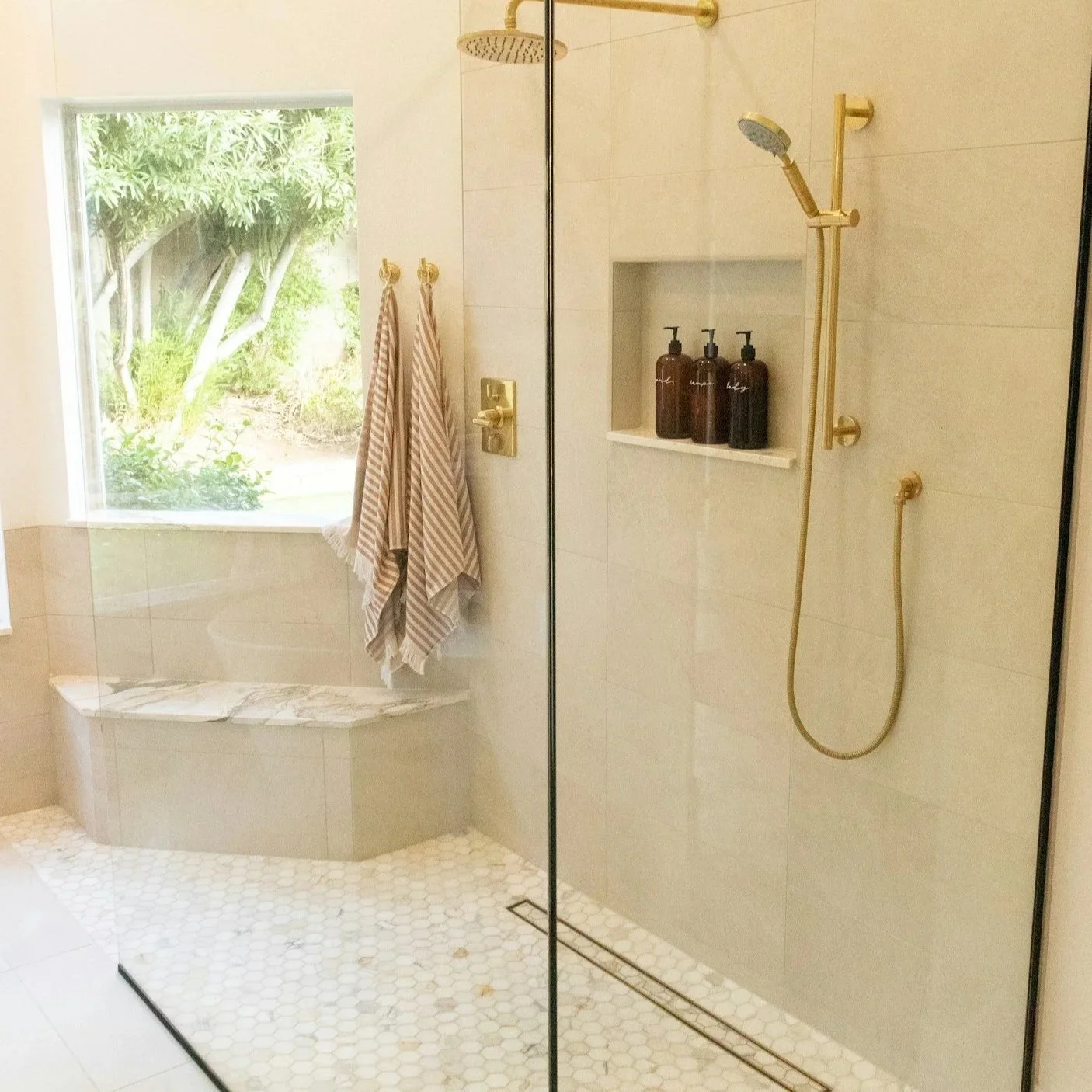
Drain installation and cleaning aren't glamorous, but they're the lifeblood of any smoothly operating commercial or residential property.
Keeping plumbing healthy is less about crossing your fingers and more about calling in the pros who know their way around pipes, pressure, and the gunk that shouldn't be in there. Drain installation and cleaning aren't glamorous, but they're the lifeblood of any smoothly operating commercial or residential property. Skip the routine, and that soapy water swirling at your feet might become the least of your worries.
Diagnosing the True Source of Drain Drama
Clogs love drama. They hide, they escalate, and they always show up uninvited. But they don't fool trained plumbing technicians. Before reaching for a snake or power auger, professionals zero in on what's really causing the chaos. Maybe it's grease from your kitchen pretending to be concrete. Maybe tree roots decided to embrace your mainline a little too literally. Or there's a combination of hair, soap, and mystery items that defy science.
Proper diagnosis saves time, money, and frustration. Camera inspections take the guesswork out of guessing. By guiding a flexible camera through your pipes, plumbing specialists can spot cracks, clogs, and intrusions that would otherwise stay hidden until it's too late—no more trial and error—just targeted solutions based on clear visuals.
Why Professional Drain Installation Isn't Just Plug-and-Play
Installing a drain sounds simple until you realize that gravity, slope, and flow rates all have opinions of their own. In a commercial setting, those opinions turn into building codes and compliance regulations. Drain installation is a precision job. A pipe tilted the wrong way can lead to stagnant water, sewer gas backup, or a murky puddle that refuses to drain, no matter how much you glare at it.
Professional plumbers don't eyeball slope angles—they measure, calculate, and fit every section with millimeter-level care. Whether it's installing a new floor drain in a commercial kitchen or connecting a shower to a building's mainline, the process requires meticulous planning and clean, durable workmanship. And if you've ever watched someone try to force a pipe into place like they're assembling cheap furniture, you already know why experience matters.
Preventing Problems Before They Gurgle
The beauty of expert drain services is their uncanny ability to stop problems before they make noise. Gurgling, slow drainage, and foul odors are all cries for help. But when drain systems are regularly cleaned and inspected, those distress signals never have a chance to develop. Clean pipes are quiet pipes. And quiet pipes make for happy tenants, efficient operations, and fewer surprise visits from the building manager with a flashlight and a frown.
Hydro-jetting plays a starring role here. Think of it as a pressure washer for your pipes, blasting away years of grime with surgical precision. It scrubs pipe walls clean and pushes out debris, roots, and buildup in a single mighty sweep. It's not a casual rinse—it's a deep clean that leaves plumbing systems refreshed and flowing like the day they were installed.
Understanding the Complex World of Commercial Drainage
Commercial plumbing isn't simply residential plumbing with a fancier invoice. The demands are bigger, the regulations tighter, and the risks far more dramatic. A blocked drain in a restaurant kitchen during Friday night dinner service doesn't just cause inconvenience—it grinds everything to a halt and sends the health inspector into orbit.
Drain installation in commercial environments requires robust planning and an intimate knowledge of local codes. For example, grease interceptors aren't optional in food service—they're required. And backflow prevention isn't just a good idea—it's a legal must. Every fixture, every drain, and every junction needs to be mapped and engineered with both performance and compliance in mind.
Cleaning commercial drains means dealing with more than hair and soap scum. It involves fats, oils, chemicals, and everything else flushed down during daily operations. Technicians use specialized tools and industrial-strength cleaners that remove gunk without compromising pipe integrity. The result is a clean system that can handle high volumes without complaint.
Recognizing the Red Flags of Drain Distress
Some warning signs are subtle. A faint gurgle when the sink drains. A slow-dripping faucet that suddenly sounds like it's chewing gravel. Other red flags, however, are not so quiet. Flooded restrooms, backed-up dishwashers, and mystery smells floating through the break room require immediate intervention.
Trained professionals don't just react—they respond with strategy. Step one is identifying whether the problem is localized or systemic. A slow sink might be a hairball with ambition. A backup across multiple fixtures might indicate a blockage deeper in the line. The right tools make a difference. So does the experience of interpreting the symptoms quickly and accurately.
Why Drain Cleaning Is Not a DIY Delight
Pouring chemical drain cleaners down your pipes is like solving a headache with a sledgehammer. It might temporarily clear the clog, but it could also erode your pipes. Over time, these caustic solutions cause corrosion, weaken joints, and turn minor issues into major repair projects. That bottle of miracle fluid isn't just unkind to your plumbing—it's not very kind to the environment either.
Professional drain cleaners take a gentler yet more powerful approach. They use methods that physically remove blockages without compromising the system's structural integrity. Tools like cable machines, jetters, and air-burst systems work quickly and precisely. The goal isn't to mask the issue—it's to eliminate it.
Keeping Fixtures Functioning Through Preventive Care
Every drain has a purpose, and every fixture connected to it relies on consistent performance. Whether it's a urinal in a sports arena, a floor sink in a bakery, or a shower drain in a health club, each one must operate flawlessly. Preventative maintenance programs keep these fixtures flowing, flushing, and draining with minimal fuss.
Plumbing professionals often recommend routine maintenance schedules for drains. These include quarterly jetting, annual camera inspections, and periodic trap cleaning depending on usage levels. Drain traps that dry out or fill with debris can create odor issues that no amount of air freshener will hide. Regular checks catch these issues early and keep commercial operations running smoothly.
Designing Drain Systems for Growth and Longevity
The best time to think about future plumbing needs is before the floor is poured and the walls go up. During new construction or remodeling, plumbing experts design drainage systems with expansion in mind. That means upsizing certain pipes, planning for potential grease-trap needs, and installing access points for quick maintenance in the years to come.
Even retrofitting an older building requires strategic thinking. Modern drain systems must meet today's flow demands while working with yesterday's architecture. Experienced plumbers know how to balance historic preservation with modern function. They reroute, reinforce, and reconfigure systems to meet the demands of the present without sabotaging the bones of the past.
The Unseen Value of Reliable Drain Systems
When plumbing works perfectly, no one notices. There are no complaints, no late-night emergencies, and no awkward conversations involving phrases like "mystery backup." That kind of silence is golden. Behind that serenity is a lot of smart design, expert installation, and regular cleaning. In other words, it's the payoff of professional drain services doing their job so well that they're practically invisible.
In businesses where water flow is constant—think restaurants, gyms, office buildings, or healthcare facilities—drains don't get to rest. They're the marathon runners of the mechanical world. Routine service keeps them limber, responsive, and ready for whatever the day brings.
When Plumbing Gets Personal
Let's be honest—there's nothing more personal than plumbing. People may not talk about their drains over lunch, but they definitely notice when they stop working. A clean, well-installed, properly maintained drain system doesn't just support operations—it supports reputations.
Whether the task involves installing new drains, clearing stubborn clogs, or maintaining an entire facility's drainage infrastructure, professional plumbers bring experience, tools, and a touch of elbow grease to every job. It's not just about clearing water. It's about delivering peace of mind—one pipe at a time.
Solace Plumbing is a full-service licensed plumbing company with its owner boasting 26 years of experience. We provide a wide range of plumbing services, including 24-hour emergency service. Some of our specialties include bathtub and shower, drain installation and cleaning, faucet installation and repair, garbage disposal installation and repair, and sewer services in Gilbert, AZ. Commercial work includes restaurants, school districts, and tenant improvements. Call us to learn more.
