Say Goodbye to Standing Water: The Benefits of a Properly Installed Floor Drain
From damp basements to slippery commercial kitchens, moisture is no friend to flooring, foundations, or safety.
Standing water doesn’t just look bad—it can lead to serious damage and a whole host of headaches. From damp basements to slippery commercial kitchens, moisture is no friend to flooring, foundations, or safety. Installing floor drains is one of the smartest ways to deal with the persistent puddles that tend to gather in both homes and businesses. When installed properly, floor drains become a reliable line of defense versus water damage, mold growth, and costly repairs.
Functional Drainage Where It Matters Most
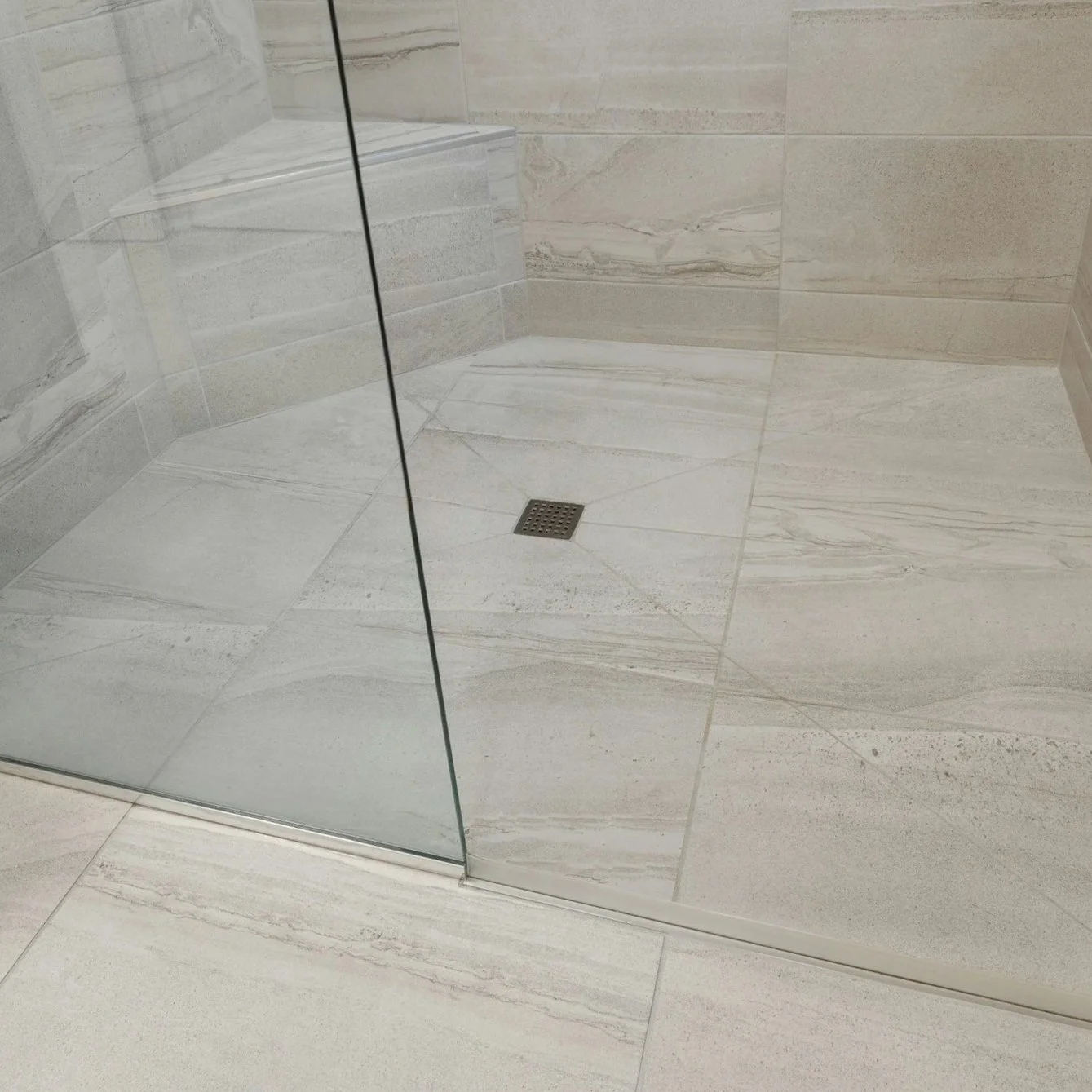
Floor drains play a quiet yet critical role in managing water where it doesn’t belong. Basements, laundry rooms, garages, commercial restrooms, and food prep areas all benefit from having a place where excess water can go. A properly installed drain channels water out through your plumbing system, keeping floors dry and usable.
In commercial spaces, the stakes can be even higher. Spills, mop water, and daily cleaning routines all generate moisture that needs somewhere to go. A good floor drain installation handles that workload without complaint, helping meet health and safety codes while keeping employees and customers safe.
Protecting Floors, Foundations, and More
Water likes to travel. It seeps into cracks, undermines tile, and soaks into wood. Over time, it can weaken foundations, cause rot, or create the perfect breeding ground for mold. Installing a floor drain allows water to exit the space quickly and efficiently before it settles in and causes long-term trouble.
In a home, a laundry room floor drain can save you from a washing machine mishap that floods the basement. In a business, a well-placed drain near a walk-in freezer or commercial sink can mean the difference between a minor cleanup and a full-blown floor replacement. The investment in professional installation pays dividends in peace of mind.
The Importance of the Right Slope
A floor drain without the proper slope is a lot like a funnel lying flat—it looks the part but doesn’t do the job. Water needs encouragement to move in the right direction. That’s where a professional steps in.
Trained plumbers know how to work with gravity. They’ll make sure the surrounding floor is angled just enough to draw water toward the drain naturally. Too flat, and water lingers. Too steep, and everything feels off balance. The sweet spot requires experience, the right tools, and a solid understanding of the space. Sloping may not sound glamorous, but it’s the quiet MVP of effective drainage.
Choosing the Right Drain for the Job
Not all drains are created equal. The needs of a residential basement differ from those of a commercial kitchen. Size, material, and capacity all matter. Choosing the wrong drain can lead to clogs, backups, or constant maintenance. Choosing the right one means water flows where it should and problems stay away.
Professionals take the guesswork out of selecting the best drain type for the environment. They’ll consider factors like water volume, debris load, and ease of access for future maintenance. From stainless steel grates for heavy-duty use to more discreet designs for residential applications, the right drain blends function with form.
Avoiding Odors and Backups
A poorly installed or rarely used floor drain can develop unpleasant odors. That’s often due to dry traps—U-shaped pipes below the drain that hold a small amount of water to block sewer gas from entering the space. Without proper design and maintenance, that barrier can evaporate, creating a direct line for bad smells.
Professionals understand how to install floor drains with features that combat odor. Some even include trap primers that automatically add water to the trap as needed. Proper venting and careful plumbing connections also prevent the kind of pressure imbalances that can pull sewer gas indoors or cause water to back up during storms.
Supporting Clean, Safe Spaces
Clean floors are more than just nice to look at—they’re crucial to health and safety. Slippery conditions from pooled water can cause falls, especially in commercial environments. Floor drains provide a quick way to deal with spills, cleaning water, or rainy-day foot traffic. The result is a safer, drier, and more professional environment for everyone.
In residential settings, they also play a part in reducing allergens and bacteria. Mold and mildew thrive in damp places. When floor drains quietly pull away that moisture, they help create a more comfortable and healthier space.
Saving Time, Trouble, and Money
Water damage doesn’t wait around. One sudden leak or appliance failure can quickly escalate from a minor nuisance to a full-blown disaster. Floor drains installed by professionals help prevent that domino effect. By directing water away before it spreads, they protect floors, walls, and belongings from harm.
Long-term, that translates to fewer repairs, lower maintenance costs, and less time spent dealing with water-related surprises. A good floor drain installation won’t just protect the property—it also protects your schedule and your budget.
Why Experience Counts
A floor drain might be small, but installing one isn’t a casual weekend DIY. It involves cutting into floors, connecting to existing plumbing systems, and sometimes navigating building codes and permits. A professional brings the tools, training, and experience to do the job right the first time.
When a floor drain installation goes smoothly, it’s easy to forget it’s even there. And that’s kind of the point. The best plumbing work blends into the background while making life easier. So when the inevitable spills, splashes, or leaks show up, the drain quietly goes to work—keeping everything clean, dry, and worry-free.
Choosing to install floor drains with care is a smart move, whether for a family home, a busy restaurant, or a commercial workspace. It’s about staying ahead of water problems and adding a layer of protection that works without fuss or fanfare. A little planning now can mean a big difference later—dry floors, happy property owners, and one less thing to worry about when storms roll in or appliances act up.
Solace Plumbing is a full-service licensed plumbing company with its owner boasting 26 years of experience. We provide a wide range of plumbing services, including 24-hour emergency service. Some of our specialties include bathtub and shower, drain installation and cleaning, faucet installation and repair, garbage disposal installation and repair, and sewer services in Gilbert, AZ. Commercial work includes restaurants, school districts, and tenant improvements. Call us to learn more.
