
Why Your Faucet Cartridge Keeps Failing
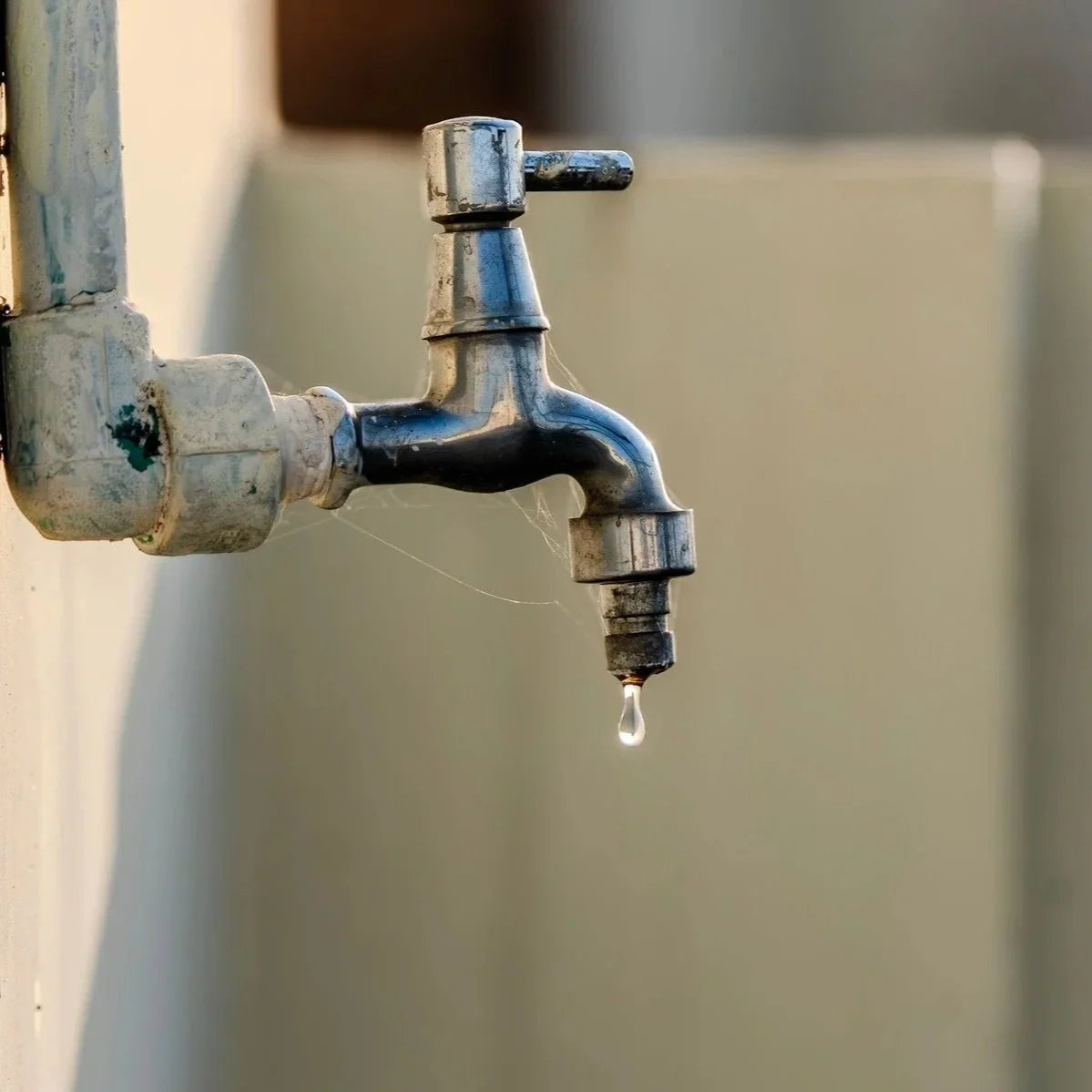
Quick Answer: A faucet cartridge that keeps failing is almost always being worn out by something in the water or the system — most often hard-water scale and grit chewing up the seals, sediment from the pipes, or water pressure that's too high. A wrong or low-quality replacement cartridge fails fast too. The fix isn't just another cartridge; it's addressing the cause: filtering or softening hard water, flushing sediment, checking your pressure, and installing the correct part.
Replacing a faucet cartridge once is normal maintenance. Replacing the same one every few months is the faucet telling you something else is wrong. The cartridge is the part that controls flow and temperature inside the handle, and when it keeps wearing out, it's usually a symptom of the water or the pressure running through it — not the part itself being defective. Here's what actually keeps killing it.
What the Cartridge Does — and Why It Wears
Inside most modern faucets, the cartridge is the valve: a small assembly with seals and ports that opens and closes as you move the handle, mixing hot and cold and setting the flow. Its seals and moving surfaces are precise, which is exactly why anything abrasive or corrosive in the water wears them down. When the cartridge fails, you get the familiar symptoms — dripping, hard-to-turn or loose handles, temperature that won't hold, or reduced flow. A single failure is wear and tear. Repeated failures mean something is accelerating the wear.
The Usual Culprits
Hard Water and Scale
This is the big one in the desert. Hard water is loaded with calcium and magnesium, and as water moves through the cartridge, those minerals deposit as scale on the seals and inside the ports. The scale is abrasive, and it builds up, so it grinds at the seals, blocks the ports, and stiffens the handle until the cartridge fails. In an area with very hard water, this alone can wear out a cartridge repeatedly.
Sediment and Grit
Tiny particles — sand, pipe debris, bits of corrosion, or grit stirred up after work on the water main — travel through the line and lodge in the cartridge. That grit scratches the sealing surfaces and jams the moving parts, causing leaks and rough operation. A faucet that started failing right after plumbing work or a water outage often has sediment to blame.
Water Pressure That's Too High
Excess pressure puts constant strain on the cartridge's seals, wearing them out faster than they should and forcing water past them. If your home's pressure is above the normal range, every cartridge you install is fighting that strain from day one. High pressure tends to take out other fixtures too, so it's worth ruling out.
The Wrong or a Low-Quality Cartridge
Faucets are brand- and model-specific, and a cartridge that's close but not exactly right won't seal properly and fails quickly. A cheap aftermarket part can do the same. If a cartridge fails soon after a replacement, the part itself — wrong model or poor quality — is a prime suspect.
| What's failing it | How it shows up | What helps |
|---|---|---|
| Hard-water scale | Stiff handle, drips, repeated failures | Soften or filter; clean fixtures |
| Sediment and grit | Failures after plumbing work or outages | Flush the line; clean aerators |
| High water pressure | Multiple fixtures wearing out | Test pressure; add a regulator |
| Wrong/cheap cartridge | Fails soon after replacement | Use the correct OEM-spec part |
How to Make a Cartridge Last
The point is to stop replacing the symptom and fix the cause. If hard water is wearing cartridges out, treating the water — a softener or appropriate filtration — protects not just the faucet but the water heater and every other fixture too. If sediment is the issue, flushing the lines and cleaning the aerators clears the grit, and a whole-house sediment filter keeps it from coming back. If your pressure is high, a pressure-reducing valve brings it into a safe range and takes the strain off every seal in the house. And whenever you replace a cartridge, use the exact part specified for your faucet's make and model, not a near match.
When cartridges keep failing despite all that, the faucet itself may be worn beyond the cartridge — the seats or the body damaged — and replacing the faucet becomes the more sensible fix than feeding it cartridges. A plumber can tell you which side of that line you're on.
It also helps to match the fix to the cause rather than guessing. If you're not sure whether hard water, sediment, or pressure is the culprit, a plumber can test your water's hardness, check your pressure with a gauge, and inspect the cartridge that failed for the telltale scale or scoring — each leaves a different signature. Treating the actual cause means the next cartridge is the last one you install for a long time, instead of the next in a series.
Frequently Asked Questions
Usually because something in the water or system is wearing it out faster than normal — most often hard-water scale grinding at the seals, sediment and grit scratching the moving parts, or water pressure that's too high straining the seals. A wrong or low-quality replacement part fails quickly too. Repeated failures are a sign to fix the underlying cause, not just swap the cartridge again.
Yes, and it's one of the most common causes in hard-water areas. The calcium and magnesium in hard water deposit as abrasive scale on the cartridge's seals and inside its ports, grinding down the seals and stiffening the handle until it fails. Softening or filtering the water slows this dramatically and protects the rest of your plumbing at the same time.
Plumbing work and water main shutoffs can stir up sediment and debris in the lines, and that grit travels to your faucet and lodges in the cartridge, scratching the seals and jamming the valve. Flushing the lines and cleaning the aerators usually clears it. If the cartridge was already damaged by the grit, it may need replacing along with flushing the system.
It can. Pressure above the normal range puts constant strain on the cartridge's seals, wearing them out faster and pushing water past them. High pressure usually affects other fixtures and appliances too, so if cartridges across the house keep failing, it's worth testing your pressure and, if it's high, installing a pressure-reducing valve to protect everything at once.
Only if you've addressed why it's failing. If hard water, sediment, high pressure, or a wrong part is the cause, another cartridge will fail the same way. Fix the underlying issue first — treat the water, flush the lines, check the pressure, use the correct part. If failures continue after that, the faucet body itself may be worn, making faucet replacement the better fix.
Stop Feeding It Cartridges
A cartridge that keeps failing isn't bad luck — it's wear being driven by hard water, sediment, high pressure, or the wrong part. Each new cartridge just resets the clock on the same problem. Track down which culprit is at work, treat the water and pressure, use the right replacement, and the cartridge will finally last the way it should. If it still won't, the faucet itself has likely reached the end of the road.
Replacing the same cartridge over and over? — Get the cause found, the water and pressure checked, and the fix done right. Solace Plumbing serves Gilbert and the East Valley. ROC #334000. Call (480) 630-0224.
