
How to Find a Hidden Water Leak Inside a Wall
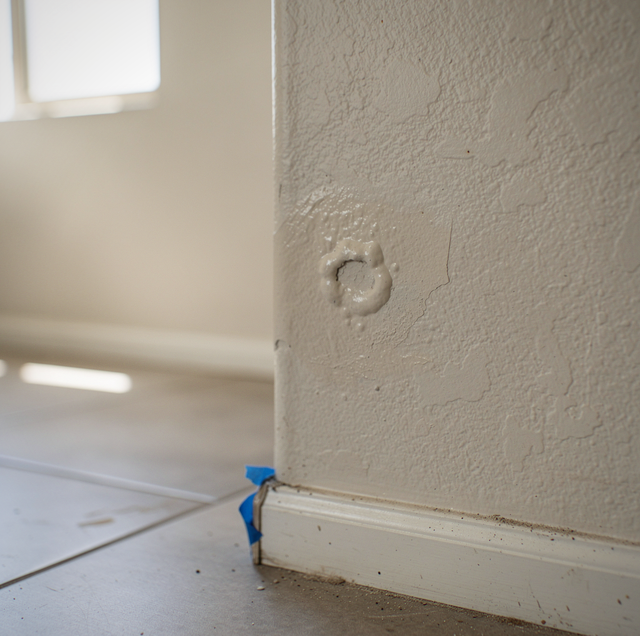
A wall doesn't announce a leak the way a burst pipe under a sink does. Water can travel behind drywall for weeks, following gravity and the path of least resistance, before it ever shows up as a stain, a bubble in the paint, or a smell you can't quite place. By the time it's visible, the leak has usually been active far longer than the visible damage suggests.
The reason it stays hidden so long comes down to where pipes actually run. Supply lines and drain lines are routed inside wall cavities specifically so they're out of sight, which means a small crack or a loosened fitting can leak steadily with nothing to see from the room side until enough water saturates the drywall paper backing or finds a gap to travel through.
The Signs Worth Paying Attention To
A warm or damp patch on a wall with no obvious cause: If a section of wall feels warmer than the surrounding area, and there's no heating duct or sun exposure to explain it, a hot water line leaking behind that spot is a common explanation, since the escaping water raises the surface temperature of the drywall around it.
A musty or mildew smell in a room with no visible mold: Standing moisture inside a wall cavity creates ideal conditions for mold and mildew growth on the back side of drywall or on wood framing, well before any spore or discoloration reaches the painted surface you can see.
Peeling paint, bubbling, or a soft spot in drywall: Drywall paper absorbs water and loses structural integrity, which can show up as bubbling, a slightly spongy feel when pressed, or paint that lifts even though nothing was recently spilled or splashed nearby.
A water bill that's climbed with no change in household habits: A steady interior leak runs constantly, day and night, adding up to real volume over a billing cycle even if it looks like a slow drip in isolation. Comparing several months of usage against the same season a year earlier helps separate a real leak from normal seasonal changes in water use.
The sound of running water when every fixture is off: This is often the first clue people notice, especially at night in a quiet house, and it points to a supply line under pressure rather than a drain line, since a pressurized leak makes a more consistent sound than water simply draining.
How a Plumber Actually Finds It
Cutting open drywall to search for a leak is a last resort, not a first step, because modern leak detection can usually locate the source without opening a wall at all.
Acoustic listening equipment picks up the sound signature of water escaping from a pressurized line, which differs from ambient household noise and from a drain leak (which isn't under pressure and makes a much quieter sound). A technician moves a sensitive listening device along the wall and floor to triangulate the loudest sound, which narrows the search area significantly before anything is opened.
Thermal imaging cameras detect surface temperature differences, which can reveal a hot-water line leak as a visible warm patch on an infrared display, even when the wall looks completely uniform to the naked eye. This works especially well for hot water supply leaks and less reliably for cold water or drain leaks, since there's less temperature contrast to detect.
Pressure testing isolated sections of plumbing confirms a leak exists in a specific zone even before its exact point is pinpointed. A plumber can cap off a section, pressurize it, and watch whether the gauge holds steady or drops, which tells you which branch of the plumbing system the leak is on without touching drywall on the wrong wall.
Moisture meters measure water content directly in drywall and framing, which helps confirm how far water has actually traveled from the source, since it often spreads sideways and downward well past the point where it entered the wall cavity.
Why the Foundation Type Matters
In a home built on a slab-on-grade foundation, supply lines sometimes run beneath the slab rather than through the walls, and a leak in one of those lines is a different animal entirely: a slab leak shows up as a warm spot on the floor rather than the wall, or as a section of flooring that stays damp with no visible source. The detection methods overlap (acoustic and thermal equipment work for both), but a slab leak occurs below a concrete floor, which changes both how it's accessed and how quickly it needs to be addressed, since water traveling under a slab can undermine the soil supporting the foundation over time if left unresolved.
What Happens After the Leak Is Located
Once a plumber has narrowed the leak to a specific stud bay or a short section of pipe, the repair is usually a targeted cut into the drywall at that exact spot rather than opening an entire wall. The damaged section of pipe is replaced or repaired, and depending on how long the leak has been active, the surrounding drywall and insulation may need to be removed and dried before it's patched, since trapped moisture behind a repaired pipe can keep feeding mold growth even after the water itself stops flowing.
Preventing the Next One
A house that's had one hidden leak is statistically more likely to have another, mostly because the conditions that caused the first one- aging fittings, mineral scale stressing joints, or water pressure running higher than it should- are still present everywhere else in the same plumbing system. Confirming that household pressure sits within the normal 50 to 70 psi range, rather than well above it, reduces the ongoing stress on every joint and fitting in the walls, not just the one that already failed. Where a section of the house still runs older galvanized or early-generation plastic supply line, a plumber can flag which runs are the highest remaining risk during the same visit that repairs the current leak, which turns one repair call into a useful map of what's likely to need attention next.
Materials That Behave Differently Behind a Wall
Not every pipe fails the same way once hidden. Copper tends to develop pinhole leaks from pitting corrosion, tiny, isolated points where the interior surface breaks down, which can leak for a long stretch before enough water accumulates to show through drywall. PEX, a flexible plastic tubing common in newer construction and many repipes, is far less prone to pinhole corrosion but can leak at a fitting or connection if a crimp or clamp wasn't seated fully during installation, meaning the leak point is usually at a joint rather than mid-run. Knowing which material is behind the wall helps a plumber narrow where along the run to focus acoustic and thermal equipment first.
Frequently Asked Questions
A pinhole leak from a corroded copper pipe can release several hundred gallons over the course of a month even though it looks like barely a drip in isolation, since it runs continuously rather than only when a fixture is used, which is why water bills are often the first hard evidence of a leak nobody has seen yet.
Yes, in a roundabout way. Water traveling behind drywall follows gravity and gaps in the structure, so it can appear to originate from a completely different room or a floor below the actual source, which is why acoustic and thermal detection matter: they trace the leak to its actual point rather than wherever the water happens to surface.
If you suspect an active leak and want to limit damage before service, shutting off the main valve stops a supply-line leak from continuing, though it also cuts off all water in the house, so it's a call worth weighing against how urgent the visible damage looks versus living without water until the appointment.
Pipe fittings expand and contract with extreme temperature swings, and a joint that was barely holding can start weeping once thermal cycling loosens it further, which is one reason a leak can seem to "appear" abruptly even though the underlying wear had been building for a while.
Coverage varies by policy and by whether the damage is considered sudden versus gradual, so it's worth documenting the discovery date, any photos of visible damage, and the plumber's findings, and checking directly with the insurance carrier rather than assuming either way.
Yes, at least enough to confirm something is actually leaking. Shutting off every fixture and appliance in the house, then checking whether the meter's low-flow indicator is still spinning, confirms water is moving through the system when nothing should be using it. That test doesn't say which wall or which pipe, but it's a useful first check before scheduling acoustic or thermal equipment, since a meter that sits still rules out an active pressurized leak entirely.
Most homeowners don't catch a wall leak from a single clue. It's usually the odd sound one week and a water bill that looks wrong the next that finally add up to a service call. Trusting that pattern instead of waiting for a stain to appear on the drywall is what keeps the eventual repair small.
Schedule a leak detection visit — locate a hidden wall leak before it spreads further. Solace Plumbing serves Gilbert and the East Valley. ROC #334000. Call (480) 630-0224.
