Protecting Basements With Reliable Sump Pump Services
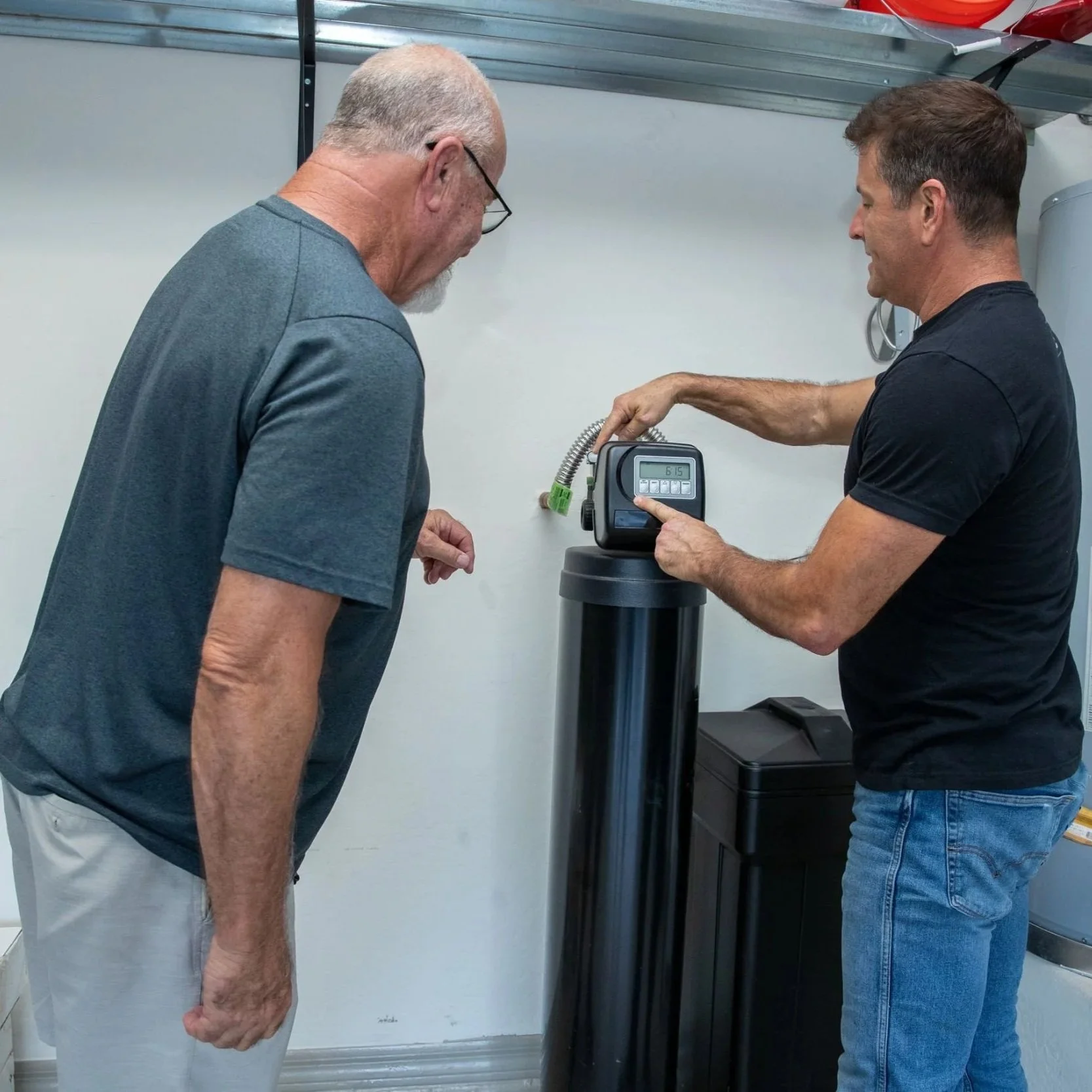
Professionals who specialize in sump pump installation and repair deliver peace of mind in the form of well-placed pits, powerful pumps, and systems designed to keep basements dry.
Basements have a reputation for being cool, quiet, and a little mysterious. They store holiday decorations, hide childhood memorabilia, and sometimes host an ambitious treadmill that hasn’t seen action since New Year’s resolutions were in full swing. But the moment water starts seeping in, that quiet basement becomes a soggy, stress-filled disaster zone. That’s where sump pumps save the day—quietly, efficiently, and without fanfare.
Professionals who specialize in sump pump installation and repair don’t just offer hardware—they deliver peace of mind in the form of well-placed pits, powerful pumps, and systems designed to keep basements dry, even when Mother Nature throws a tantrum.
Understanding What A Sump Pump Actually Does
Picture a tiny, hardworking bouncer stationed in a pit at the lowest point of the basement. Whenever water shows up, that pump kicks into action and redirects it away from the home’s foundation like it’s showing an unruly guest the door. The water is usually routed to a storm drain, a dry well, or a nearby slope, where it won’t cause trouble.
Sump pumps operate based on water levels. A float switch detects rising water, tells the motor to start, and the rest is plumbing magic. The entire setup is designed to be unobtrusive and automatic, quietly handling its business until someone actually needs to appreciate it.
When Water Sneaks In, Trouble Isn’t Far Behind
Basement flooding doesn’t always come with thunder and dramatic rainfall. Sometimes it’s the slow creep of groundwater after a week of drizzle. Other times, it’s the aftermath of snowmelt, clogged gutters, poor grading, or foundation cracks begging for attention.
Once water infiltrates, the damage escalates quickly. Carpets soak, drywall bloats, and anything in a cardboard box suddenly has a tragic backstory. Mold jumps at the opportunity, thriving in damp corners while carrying that unmistakable smell that says, “You waited too long.”
Professionals install sump pumps as a preemptive strike. It’s not about reacting after the basement looks like a koi pond. It’s about never needing to buy emergency dehumidifiers or running out for sandbags in your pajamas.
Why Professional Installation Beats Every Shortcut
Sump pump installation isn’t just digging a hole and dropping a device in. Professionals assess the basement’s layout, slope, drainage capacity, and potential sources of water entry before picking the perfect spot. It’s like mapping a secret escape route for water, and every detail matters.
Then comes the excavation. Cutting through concrete, installing the pit liner, and ensuring it’s level and secure require skill and specialized tools. Once the pump is in place, a discharge pipe is carefully routed out and away from the foundation—because launching water into a garden hose and calling it a day doesn’t count as a solution.
Professionals also seal and restore the floor after the installation, leaving behind a system that blends in with the basement’s aesthetic and doesn’t trip anyone looking for a forgotten tub of Halloween decorations.
Power Loss Is No Excuse For A Flood
One of the rudest tricks a storm can play is knocking out the power right when the sump pump needs to shine. Without electricity, a standard pump sits in silence while water rises. That’s why backup systems are part of a professional installer’s toolkit.
Battery backups and water-powered options give the system a second line of defense. They kick in when the main pump falters, keeping the water flowing out instead of in. These aren’t afterthoughts—they’re insurance policies built right into the setup. Professionals test them, explain how they operate, and confirm they’re ready for action before the next big downpour gets ideas.
Routine Maintenance: The Unsung Hero Of Basement Protection
Even the best sump pump won’t perform like a champ if it’s neglected. Silt builds up in the pit, float switches jam, discharge lines clog, and motors wear out. The difference between a dry basement and a waterlogged panic attack might just be a sticky switch no one bothered to clean.
Regular checkups by trained professionals keep the system in top shape. They test the operation, inspect components, flush lines, and clear debris. If the pump shows signs of age—like noisy operation or sluggish performance—they replace it before failure turns into flooding.
Professionals also evaluate whether the current pump still meets the home’s needs. Bigger homes, finished basements, or evolving landscape features might require an upgrade to a stronger unit or a dual-pump configuration.
Signs The Sump Pump May Be Waving A White Flag
Sump pumps don’t typically cry for help, but they do hint at trouble. Loud noises, vibrating during operation, or running continuously without removing water are all signals that something’s off. If the basement smells musty or the pit fills unusually fast, it’s time to call in the pros.
Watermarks on walls, damp corners, or efflorescence (those mysterious white powdery deposits) also point to trouble. Even if water hasn’t pooled yet, those signs suggest the pump isn’t doing its job. Technicians diagnose the issue and either repair or replace the unit depending on its age, wear, and performance history.
Pump Selection Isn’t Just About Horsepower
There’s a tempting urge to buy the biggest, most powerful pump and call it a day. But bigger isn’t always better—especially in sump pumps. Oversized units cycle too often, wearing out prematurely. Undersized ones struggle to keep up, leaving the basement damp and the homeowner irritable.
Professionals choose pumps based on capacity, vertical lift (head pressure), and water table behavior specific to the property. Submersible pumps are quiet and efficient, ideal for finished basements. Pedestal pumps are easier to service and last longer, but tend to be noisier. The right pump fits the space, usage, and homeowner’s goals without over- or under-performing.
Discharge Line Woes And How Pros Handle Them
Discharge lines are the unsung highways of a sump pump system. If the pipe clogs, freezes, or collapses, the water has nowhere to go—except back into the basement like a rude houseguest.
Professionals install check valves to prevent backflow, use freeze-resistant piping, and route the discharge away from the home’s foundation and other critical areas. Some even install lawn-safe pop-up emitters that discreetly release water at a distance while blending in with the landscaping. These lines are more than plumbing—they’re the last mile of flood prevention.
When A Second Pump Is A Very Smart Idea
In some homes, one pump simply isn’t enough. High water tables, large square footage, or finished basements with expensive contents call for a dual-pump system. Professionals configure a primary pump for daily use and a secondary pump for overflow or backup duties.
There’s also the option of an alternating system, where both pumps share the workload, extending each other’s lifespans and providing backup coverage if one fails. It’s like having a tag team of water warriors standing guard.
Technology Adds Smarts To The System
Smart sump pumps now feature sensors, Wi-Fi connectivity, and app integration that alert homeowners to activity—even when they’re not home. Some models send notifications about high water levels, power failures, or maintenance needs.
Professionals install these systems with the tech-savvy homeowner in mind, integrating alarms, battery monitors, and water-level tracking features that keep everyone in the loop. It’s a comfort knowing your phone will let you know if your pump is taking a break it wasn’t scheduled for.
Keeping The Basement Ready For Life, Not Leaks
The goal of a reliable sump pump service isn’t just water management—it’s lifestyle preservation. A dry basement supports home gyms, movie nights, guest bedrooms, or well-organized storage. It smells fresher, feels safer, and adds value to the home rather than stress.
Professional sump pump installation and repair help keep that space functional and free from surprises. With proper design, regular maintenance, and expert care, the system stays ready for rain, melt, or whatever nature tries to toss through the window well. And the best part? The homeowner gets to sleep through the storm—while the sump pump pulls the night shift without complaint.
Solace Plumbing has years of experience offering comprehensive plumbing solutions to Gilbert, AZ, homeowners. We specialize in gas line install and repair, sump pump installation and repair, leak detection and repair, sink installation and repair, and toilet installation and repair. Our licensed and detail-oriented plumbers can resolve any plumbing issues, from simple to complex. 24/7 emergency plumbing services and flexible virtual consultations available. Call today!
