Safe Gas Line Installations For Home Appliances
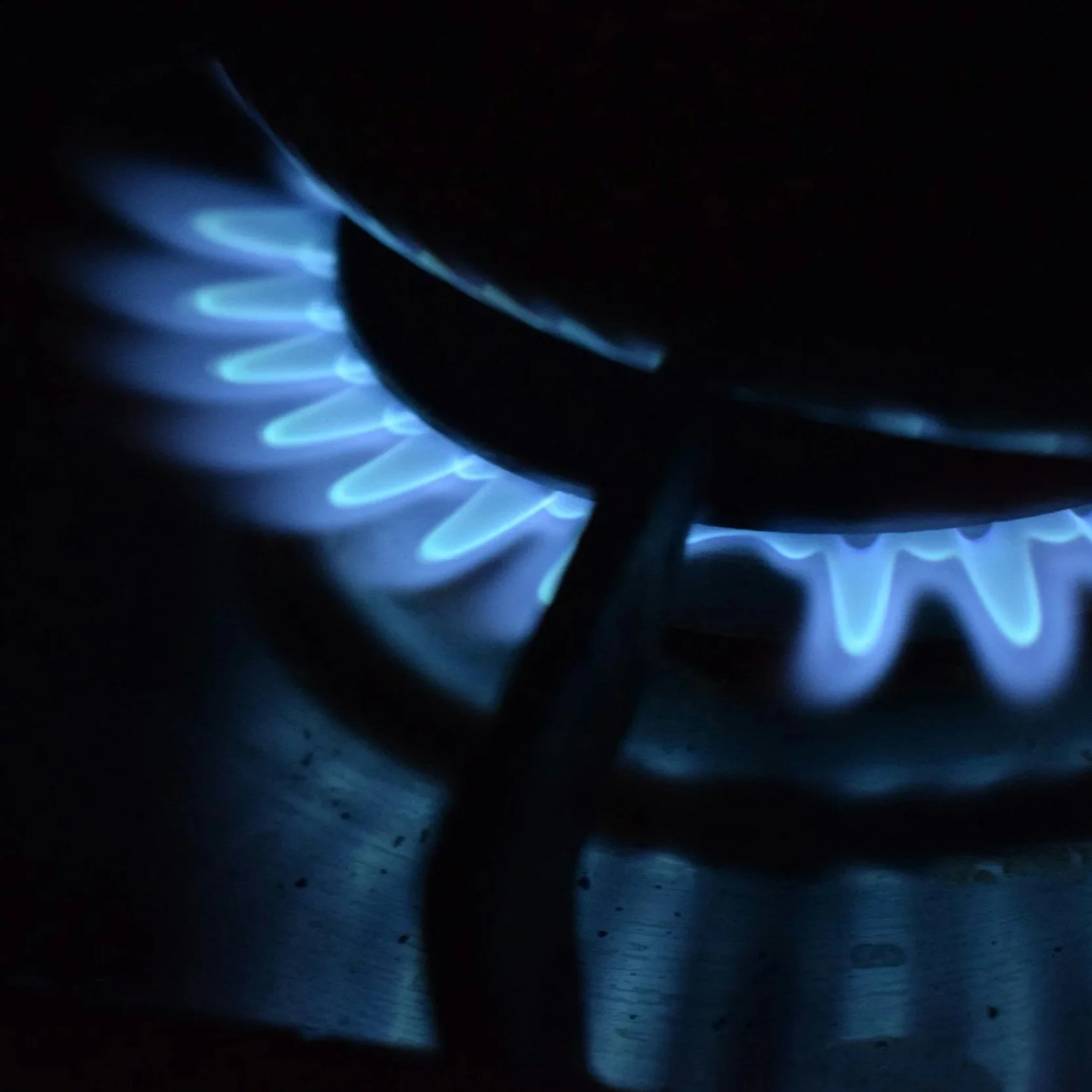
From the soft blue flame of a kitchen range to the satisfying hum of a gas dryer, these appliances offer performance, reliability, and that charming old-school-meets-modern efficiency vibe.
Gas-powered appliances bring warmth to a home, both literally and figuratively. From the soft blue flame of a kitchen range to the satisfying hum of a gas dryer, these appliances offer performance, reliability, and that charming old-school-meets-modern efficiency vibe. But behind each of these comforts lies a network of gas lines that demands precision, expertise, and a firm, no-nonsense attitude about safety. Gas line installation and repair aren't jobs for guesswork or half-hearted YouTube confidence—it's a job for trained professionals with a healthy respect for physics and a love for doing things right.
Understanding The Role Of Gas Lines In Modern Homes
Gas lines do more than supply energy—they power daily rituals. Whether it's boiling pasta water, heating a bath, or tossing wet clothes into the dryer, many of life's domestic joys rely on a functioning gas connection. Every appliance that sips on natural gas or propane needs a correctly installed gas line tailored to its size, pressure requirements, and fuel type.
Professionals look at the big picture during installation. They consider appliance load, pressure regulation, line length, elevation, and even the number of future appliances that might tap into the system. It's not just about making the appliance work—it's about giving it what it needs without stealing power from other fixtures or creating hazardous pressure spikes.
The Planning Starts With The Blueprint
Installing a gas line isn't as simple as poking a hole and connecting a pipe. It begins with careful planning, code compliance, and an obsession with accuracy. Every inch of pipe has to meet local regulations and accommodate the home's existing infrastructure, from plumbing runs to electrical systems.
Professionals draft a layout that matches the property's gas service capacity with the appliance demands. They calculate British Thermal Units (BTUs), select the correct pipe diameter, and map out the safest, most efficient route. They also secure the necessary permits—because no one wants to explain to a building inspector why there's an unsanctioned gas pipe hiding behind a wall.
Material Selection Makes All The Difference
Gas lines aren't a one-size-fits-all situation. Different materials are suited to different uses. Black iron remains the classic choice for durability and fire resistance, but flexible CSST (corrugated stainless steel tubing) is making waves for retrofits and tight spaces.
Professionals evaluate each project and recommend materials based on the building's age, layout, and appliance needs. They know when a rigid system is better and when flexible piping will save time without sacrificing safety. Each fitting is tightened to spec, tested for leaks, and secured with proper brackets. It's like tailoring a suit—the gas line should fit perfectly and move with confidence.
Precision Makes The Pressure Perfect
Too much pressure, and a flame turns into a fire hazard. Too little, and the stove sputters out like a birthday candle in the wind. Proper pressure regulation sits at the heart of every safe gas installation.
Trained professionals install regulators that keep pressure levels in the safe zone—enough to satisfy the appliance but not so high as to pose a risk. They test pressure with manometers and leak-detection tools, adjusting valves and joints until everything aligns with manufacturer specs. Every connection is triple-checked, and the system isn't activated until the results are airtight. Literally.
When Upgrades Demand New Lines
Modernizing a kitchen with a sleek gas range or upgrading to a tankless water heater may require more than just plugging it in and lighting a match. New appliances often demand additional gas lines, larger pipes, or dedicated runs to meet energy needs without starving other devices.
Professionals evaluate whether the current system can support new appliances or whether a new branch or upgraded meter is required. They work with utility companies when necessary and design systems that won't buckle under load. It's like powerlifting—technique matters, and no one wants to max out their gas line on the first rep.
Appliance Hookups Done Right The First Time
Once the lines are in place, the appliance hookup is the final stretch. Connecting a gas appliance isn't just screwing in a hose and calling it a day. Proper sealing, pressure testing, and venting (where applicable) are non-negotiables.
Professionals use manufacturer-approved connectors, apply sealants designed for gas systems, and verify flame quality with real-time testing. They also check for carbon monoxide concerns and review ventilation needs for gas dryers, ovens, and water heaters. When an appliance fires up cleanly and burns evenly, it's not magic—it's professional know-how at work.
The Nose Knows: Recognizing The Smell Of Trouble
Gas leaks aren't subtle if your nose is working. Natural gas has an added odorant that smells like rotten eggs—a helpful warning that something's gone sideways. But not every leak is easily sniffed out, and some occur behind walls or in crawlspaces where ventilation masks the danger.
Professionals use advanced leak detection equipment, like electronic sniffers and soap solution tests, to locate and confirm even minor leaks. They isolate problem areas, repair damaged connections, and re-test the entire system. And they don't stop until the smell is gone and the readings are zero.
Signs That A Repair Is Long Overdue
Just like any system, gas lines wear down with time. Signs like hissing sounds, inconsistent burner flames, or frequent pilot outages should raise red flags. Corroded fittings or outdated pipework are also indicators that something beneath the surface may be ready to retire.
Trained gas line specialists inspect systems thoroughly, identifying not just current leaks but conditions that could lead to future failures. They replace aging valves, swap out rusty fittings, and upgrade pipe segments that have seen better decades. Repair isn't just about patching holes—it's about restoring confidence in a system you rely on daily.
Safety Codes Aren't Suggestions
Building codes exist to protect homes and families, and nowhere is that more critical than in gas work. Improper installations can lead to carbon monoxide buildup, explosions, or fire. That's why code compliance isn't a side note—it's the foundation of every service call.
Licensed professionals know local regulations inside and out. They follow spacing requirements, venting rules, and bonding protocols. Each step in the installation or repair process is documented, photographed, and double-checked to meet legal standards. Homeowners may not always see the work behind the drywall, but they'll feel safer knowing it was done by the book.
Emergency Services When Things Go Boom Or Hiss
Gas doesn't wait for office hours to throw a tantrum. Late-night leaks, appliance malfunctions, or unexpected pressure drops can require urgent professional attention. And when the stakes are high, fast response and calm execution make all the difference.
Many professional teams offer emergency gas line services. They arrive quickly, diagnose the issue efficiently, and make the repair without turning the home into a construction site. Whether it's a minor fix or a system shutdown and replacement, they restore safety without drama or delays.
Why DIY Gas Work Should Stay In The Daydream Phase
It's tempting to think a YouTube tutorial and a wrench can solve most home improvement mysteries. But gas work doesn't belong in the DIY realm. There's too much risk, too much precision, and too many invisible variables for amateurs to tackle alone.
Professionals don't just bring tools—they bring training, certification, and a healthy respect for the consequences of carelessness. Gas lines behave differently under pressure, over time, and during weather changes. Understanding those subtleties takes years of experience and a commitment to getting things right from the first fitting to the final flame.
Long-Term Value From Professional Installation
Investing in professional gas line installation and repair isn't just about ticking boxes—it's about building a safe, efficient home that runs smoothly for years to come. Properly installed gas lines reduce appliance wear, lower energy bills, and prevent the kinds of surprises that turn into news headlines.
Whether it's a kitchen upgrade, a new outdoor grill line, or a complete system overhaul, working with trained technicians adds value in both performance and peace of mind. No guesswork, no shortcuts—just safe, reliable gas service that fuels everyday life.
Solace Plumbing has years of experience offering comprehensive plumbing solutions to Gilbert, AZ, homeowners. We specialize in gas line install and repair, sump pump installation and repair, leak detection and repair, sink installation and repair, and toilet installation and repair. Our licensed and detail-oriented plumbers can resolve any plumbing issues, from simple to complex. 24/7 emergency plumbing services and flexible virtual consultations available. Call today!
