Main Sewer Line Clogged? Signs It’s Not Just a Drain
Every fixture in the house empties into the same pipe eventually. Sinks, showers, the washing machine, the toilets, all of that separate plumbing funnels down to one main line before any of it reaches the street. That's easy to forget when a single drain runs slow, but it becomes obvious the moment more than one fixture starts acting up at once, because a shared pipe carrying a shared blockage doesn't limit itself to a single exit point.
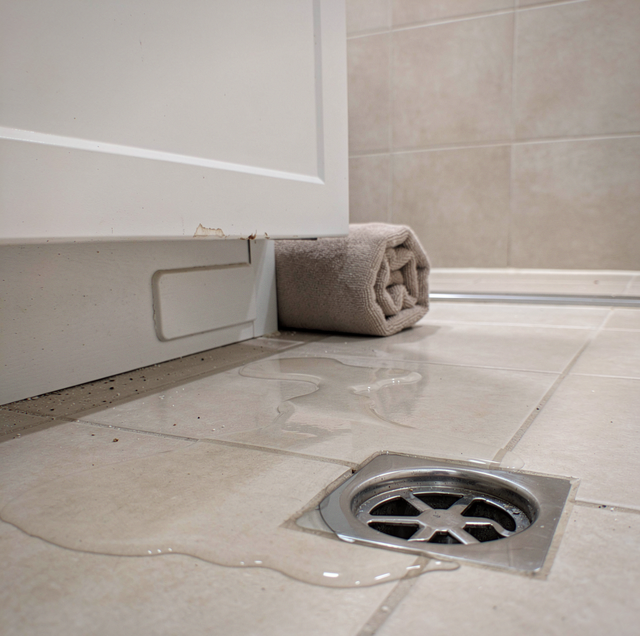
Where the trouble shows up first depends on layout more than anything else. Floor drains and the lowest fixtures in the house tend to back up before anything upstairs does, since they sit closest to the blockage and lowest in elevation. A gurgle from the kitchen sink one minute and water rising in the bathtub the next isn't three separate problems announcing themselves. It's one blockage, working its way out through whichever opening currently offers the least resistance.
How to Tell the Difference From an Ordinary Clog
More than one fixture is affected at once: If the kitchen sink gurgles when the washing machine drains, or the toilet bubbles when the shower runs, those fixtures are telling you they share a drain path with something else backing up. Fixtures on the lowest level of the house, and floor drains especially, tend to back up first and worst, since they sit closest to the main line and lowest in elevation.
Water rises somewhere it shouldn't when you use a different fixture: The classic sign is flushing a toilet and watching water rise in the bathtub or a floor drain instead of going down. That happens because the blockage has nowhere else to send the water except backward, out of whichever opening offers the least resistance, which is often the lowest fixture in the house.
A plunger or a bottle of drain cleaner does nothing: Both tools work on a clog close to the fixture. A main line clog can sit dozens of feet away and well below the fixture, far beyond what either one can reach.
Sewer odor indoors, especially near floor drains or a laundry room: Standing wastewater in a partially blocked main line can push sewer gas back up through the pipe and out through any low-lying drain, since the trap that normally seals off that smell gets overwhelmed once the line backs up behind it.
What Actually Clogs a Main Line
Tree root intrusion: Roots grow toward the moisture and nutrients inside a sewer line and can enter through small cracks, loose joints, or old clay pipe seams. Once inside, roots form a dense mat that catches paper, wipes, and grease the same way a screen catches debris, and the mat only grows denser over time as more roots follow the same path.
A bellied or sagging section of pipe: Ground settling over years can create a low spot, called a belly, in an otherwise level line. Waste and water pool in that dip instead of flowing through, which lets solids drop out and accumulate at that exact point until the pipe narrows to almost nothing there.
Grease and non-flushable materials: Cooking grease coats the inside of the pipe as it cools, much like it hardens in a pan, and each new pour narrows the opening further. "Flushable" wipes are a frequent contributor too, since they don't break down the way toilet paper does and instead snag on any rough spot, root, or joint offset inside the line.
Old, deteriorating pipe material: Clay and cast iron main lines common in older homes can crack, shift at the joints, or corrode from the inside, creating rough surfaces and offsets where debris catches and builds into a clog over repeated flushes.
Confirming the Location
A plumber locates the exact blockage with a sewer camera: a waterproof camera on a flexible cable fed through a cleanout access point, which shows the pipe's interior in real time, whether it's roots, a belly, grease, or a cracked joint, and roughly how far from the house the problem sits. That footage also shows pipe material and condition, which matters for deciding the right repair method. Locating equipment on the camera head lets the plumber mark the exact spot on the surface above, so any excavation or trenchless work targets the right few feet of pipe instead of guessing at the yard.
What Happens Once It's Found
A clog confirmed by camera is typically cleared first, often with a mechanical auger for a solid blockage or a high-pressure jetting hose that scours grease and root fragments off the pipe walls, restoring flow. If the camera also shows a structural problem, a belly, a cracked joint, or extensive root intrusion through multiple cracks, clearing the clog is a temporary fix and the underlying pipe issue needs its own repair, which is a separate decision from clearing today's backup.
General Repair Paths Once the Cause Is Known
Not every main line problem gets fixed the same way, and the camera footage is what decides the path. A blockage with no structural damage to the pipe itself is typically cleared and left in place, sometimes with a follow-up jetting pass to scour the walls clean of residue that could catch debris again soon. A pipe with root intrusion through multiple points, a significant belly, or several deteriorated joints usually needs a section replaced or lined rather than repeatedly cleared, since clearing a structurally compromised line only buys a few months before the same spot clogs again.
Where the ground above the pipe is difficult to excavate, common in areas with dense clay or hardpan soil close to the surface, a trenchless repair method that works through the existing access points can avoid tearing up a driveway or landscaping to reach the damaged section. Which method fits depends on the pipe's material, diameter, and how much of it is actually compromised, all of which the camera inspection reveals before any decision gets made.
When to Call Rather Than Wait
A single gurgle from one drain after heavy dishwasher use isn't cause for alarm on its own. But a backup at more than one fixture, water rising somewhere unexpected, or a sewer smell that keeps returning are all signs worth acting on within a day or two rather than waiting to see if it clears up. A partial blockage rarely opens back up on its own, and the longer wastewater sits against a weak spot in an old pipe, the more likely that spot is to crack further or let roots find their way in.
Frequently Asked Questions
A line with known root intrusion often needs mechanical clearing every 12 to 18 months if the trees stay in place, since roots regrow toward the same crack or joint once cleared. Some homeowners pair clearing with a root-inhibiting treatment applied through a cleanout, which slows regrowth between visits without killing the tree itself.
A cleanout is a capped pipe fitting that gives direct access to the main line without pulling a fixture, usually a vertical pipe near the foundation or a fitting inside a garage or basement. Homes built before certain plumbing code updates sometimes lack one, which means access has to come through a roof vent stack or by removing a toilet instead, both slower options for a plumber to work through.
Yes. Standing wastewater under pressure can force its way through weak joints or hairline cracks in the pipe, gradually eroding the surrounding soil (a process sometimes called piping) and creating a void that later appears as a sunken spot in the yard, even though the immediate backup seemed to resolve.
In areas with combined or aging infrastructure, heavy rain can raise groundwater and municipal sewer levels enough to reduce the capacity your line has to drain into, so a partial clog that was manageable in dry conditions can suddenly become unmanageable once the receiving system is also full.
Yes, and they need different diagnoses. A main line clog is a blockage in the pipe between the house and the septic tank or municipal connection, while a septic backup usually means the tank itself is full, has a failing pump, or has a problem in the leach field, all of which sit past where a camera run from the house cleanout would typically show.
It can, especially with fibrous scraps like celery, potato peels, or coffee grounds, which don't break down evenly and can catch on a root intrusion point or a pipe joint that's already partially restricted, turning a manageable narrowing into a full blockage sooner than it would happen with kitchen waste kept out of the disposal.
A backup that shows up in more than one place at once is the main line telling you the problem isn't at any single sink or tub. Getting a camera on it early usually means the difference between a routine clearing and a yard full of exposed pipe later.
Schedule a sewer camera inspection — find out exactly what's blocking the line before it backs up again. Solace Plumbing serves Gilbert and the East Valley. ROC #334000. Call (480) 630-0224.
